Bogor Presidential Palace, Bogor Tengah
Bogor Presidential Palace, also known as Istana Bogor, is one of six presidential palaces in Indonesia. Located in the heart of Bogor, West Java, this historical landmark served as a retreat for Dutch Governors-General and later became an official residence for Indonesian presidents. It is recognized for its distinctive architecture and historical significance, adjacent to the Bogor Botanical Gardens.
Key Highlights
- Construction began in 1744 by Governor-General Gustaaf Willem Baron van Imhoff, originally as a country retreat named Buitenzorg, meaning 'without a care' in Dutch.
- The palace grounds span an area of approximately 28.4 to 28.86 hectares.
- It became the official residence for Dutch Governors-General from 1870 until 1942.
- The palace houses an extensive art collection, including 448 paintings, 216 sculptures, and 196 ceramics, with 90% accumulated by President Sukarno.
- A herd of spotted deer, originally imported from Nepal by Governor-General Herman Willem Daendles, roams freely in the palace yard and has become an iconic feature.
- Bogor Presidential Palace has hosted significant state events, including the 1955 Asia-Africa Conference.
- Balai Kirti Museum, located within the palace complex, exhibits historical objects from every Indonesian president.
Location & Connectivity
Bogor Presidential Palace is centrally located in Bogor Tengah, easily accessible via Jalan Ir. H. Juanda. The Jagorawi toll road is less than two kilometers away, and the Baranang Siang bus terminal is approximately 2 kilometers from the palace. Bogor Paledang and Bogor railway stations are also nearby, with the train station about one kilometer from the palace. Commuter trains offer a connection between Jakarta and Bogor, providing an alternative to road travel which can experience heavy traffic.
Facilities
The palace complex includes a main building for official state events, a left wing for hosting foreign visitors, and a right wing with rooms for foreign heads of state. It also features a library and rooms for ceremonies and meetings. The palace gardens are known for their elegant lawns and proximity to the Bogor Botanical Garden. Public visits to the interior are generally limited to group tours with prior permission, though the exterior and deer can often be viewed from the surrounding streets and the Bogor Botanical Garden.
Relevance
Bogor Presidential Palace is a central civic and cultural icon in Bogor, representing centuries of historical and political evolution in Indonesia. Its establishment by the Dutch as a retreat and subsequent transformation into a presidential palace after Indonesian independence underscores its enduring significance. The palace, with its expansive gardens and historical buildings, contributes to the urban landscape and cultural identity of Bogor. It also serves as a venue for state guests and important national events, making it a pivotal point in the city's context.
Nearby
The palace is directly adjacent to the Bogor Botanical Gardens, a prominent natural destination. Other nearby notable locations include the Museum of Zoology and the Kujang Monument. The palace is situated near the intersection of major streets such as Sudirman, Juanda, and Jalak Harupat streets.
Data Table
| Feature | Detail |
|---|---|
| POI Type | Civic Landmark, Cultural Icon |
| Address | CQ2W+RW3, Jl. Ir. H. Juanda, RT.04/RW.01, Paledang, Kecamatan Bogor Tengah, Kota Bogor, Jawa Barat 16122, Indonesia |
| Construction Started | 1744 |
| Renovated/Rebuilt | 1856 |
| Land Area | 28.4 - 28.86 hectares |
| Art Collection | 448 paintings, 216 sculptures, 196 ceramics |
| Initial Name | Buitenzorg (meaning 'without a care') |
| Original Function | Country retreat for Dutch Governors-General |
Available units near Bogor Presidential Palace


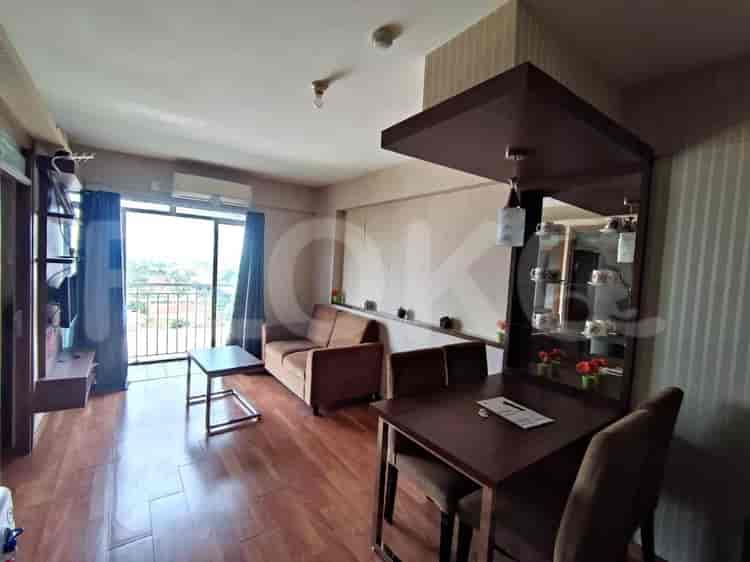
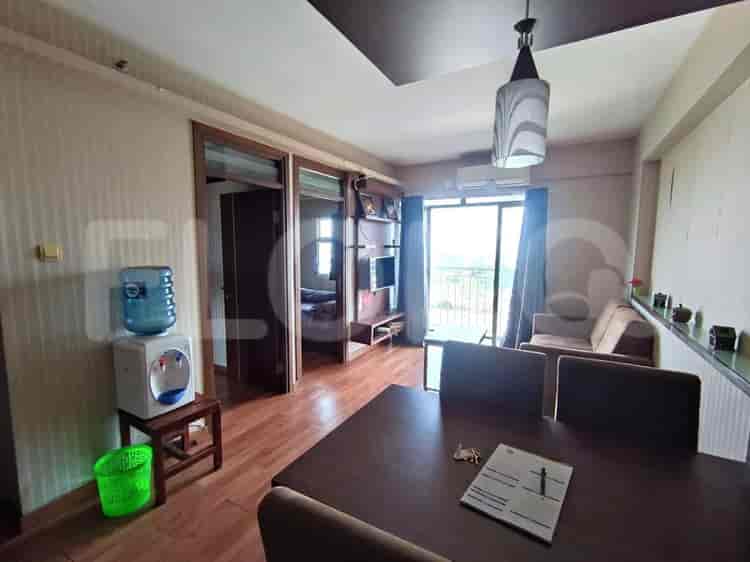
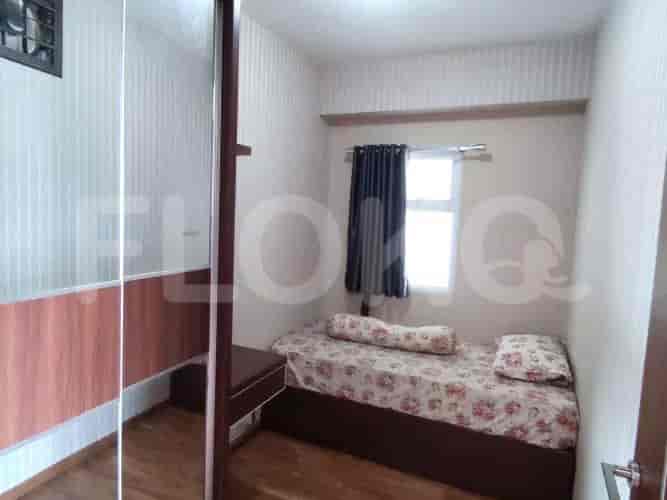
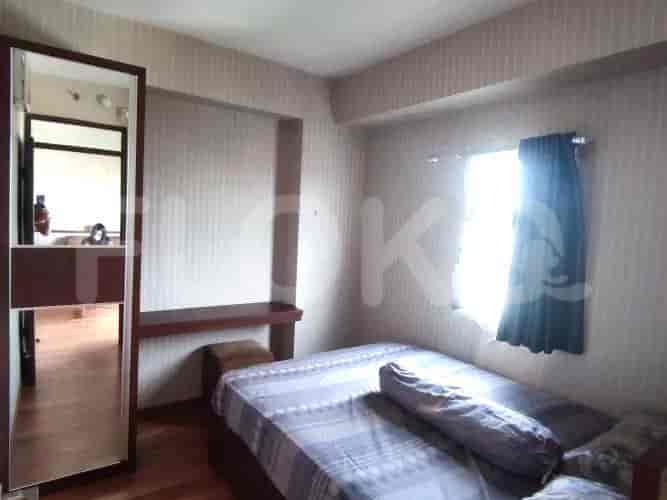
Nearby Facilities and Services - Bogor Presidential Palace
Bogor Icon HotelGrand Depok City Business ParkPodomoro Golf View OfficeGraha Depok MasDmall Office TowerPesona Square Office Tower
Bogor IconSentul Tower ApartmentThe Village Resort AreaRusunawa Depok (Cimanggis Area)Podomoro Golf View ApartmentDave Apartment
Fatmawati MRT StationLebak Bulus MRT StationCipete Raya MRT StationHaji Nawi MRT StationBlok A MRT StationBlok M MRT Station
Paledang 1 State Elementary SchoolSMPN 1 BogorSMAN 1 BogorSD Regina Pacis BogorSMA Budi Mulia BogorSD Budi Mulia Bogor
Bogor Husada Health Sciences CollegeMuhammadiyah University of BogorPakuan UniversityBogor Islamic UniversitySTIKES Bogor RayaBogor Islamic University (UIKA)
Universitas Indonesia StationLenteng Agung StationTanjung Barat StationRawa Buntu StationJurangmangu StationPasar Minggu Station
Bhayangkara Police HospitalSiloam Hospital BogorRS PMI BogorBogor Medical Center (BMC) HospitalBogor City Regional General HospitalUmmi Hospital
Ministry of Maritime Affairs and FisheriesMinistry of AgricultureRoyal Embassy of CambodiaEmbassy of the Republic of SurinameEmbassy of the Republic of Marshall IslandsMinistry of Public Works and Housing
Bogor Botanical GardensSempur ParkTaman Ekspresi SempurBogor Inner Ring Road ParkKencana ParkTaman Menteng Bogor
Paledang Bus Stop TransJakarta StationBTM Mall Bus Stop TransJakarta StationRamayana Bus Stop TransJakarta StationBogor Station Bus Stop TransJakarta StationBogor Train Station Bus StopTugu Kujang Bus Stop TransJakarta Station
Bogor Outer Ring Road Toll Gate Bogor SelatanBogor Inner Ring Road AccessBogor Toll Gate (Bogor Inner Ring Road/BORR Exit)Tanah Sareal Toll GateBogor Timur Toll GateCiomas Toll Gate
Bogor City Hall Sports HallBogor Mini StadiumBogor Indoor Tennis CenterPurnawarman Sports HallPajajaran University Sports FieldBogor Golf Course (P.G.C. area reference)
IPB International Convention Center AreaBSD City Convention CenterAssembly Hall BSD CityBintaro Jaya Xchange Convention Center (Often hosts sporting events)Q-BiC Convention CenterPrasetya Mulya Convention Center
Hero Bogor Trade Mall (BTM)Bogor Trade Mall (BTM)Bogor Trade Mall AreaHypermart Bogor JunctionHypermart Bogor JunctionSuper Indo
Bogor Trade CenterBogor Central MarketBogor Station MarketPasar Anyar Bogor (Bogor Traditional Market)Pajajaran MarketPasar Anyar Bogor
See Similar Civic Landmark Cultural Icon
Sitemap
Index of Apartments for Rent in ProvinceIndex of Apartments for Rent in CityIndex of Apartments for Rent in DistrictIndex of Apartments for Rent in LocalityIndex of Apartments for Rent in AreaIndex of Apartments for RentIndex of Apartments for Rent Near AttractionsIndex of Apartments for Rent by Type Filter
Index of Apartments for Sale in ProvinceIndex of Apartments for Sale in CityIndex of Apartments for Sale in DistrictIndex of Apartments for Sale in LocalityIndex of Apartments for Sale in AreaIndex of Apartments for SaleIndex of Apartments for Sale Near AttractionsIndex of Apartments for Sale by Type Filter
Index of Office BuildingIndex of ProvinceIndex of CityIndex of DistrictIndex of SubdistrictIndex of MallIndex of Mrt StationIndex of SchoolIndex of Train StationIndex of AirportIndex of Embassy And Government OfficeIndex of UniversityIndex of Residential BuildingIndex of HospitalIndex of ParkIndex of Bus StopIndex of Toll GateIndex of Sports Complex StadiumIndex of Convention Exhibition CenterIndex of Supermarket HypermarketIndex of Traditional MarketIndex of Fnb Cluster Lifestyle StreetIndex of Place Of WorshipIndex of Civic Landmark Cultural Icon